
STERLING
- Struck in
- Principally the United States and United Kingdom attributed, not confirmed
- Recorded on
- 86 pieces
STERLING is the word form of the same fact 925 states as a number: the metal is sterling silver, 92.5% fine.
The distinction between the two is a mild dating clue rather than a rule. American silver has been marked with the word since the nineteenth century and continued through the twentieth; the numeric 925 spread later and is now the international default. A piece stamped only STERLING, in a serif face, is more likely to be older American work than one stamped 925 — but plenty of modern pieces still use the word, and plenty of older ones carry neither.
Look for it on the inner shank, the back of a bezel, or the underside of a cuff terminal. It is frequently struck alongside a maker's mark, and on Southwestern silver it often sits beside a smith's initials or hallmark. Where both appear, the initials are the interesting half.
Two things it does not mean. It does not indicate silver-plate — plated work is marked EPNS, silver-plate, or nothing at all. And it does not certify age, origin or hand-work: it is a metal standard, and a machine-stamped modern piece carries exactly the same word as a hand-raised one.
Available now with this mark
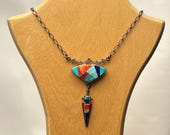 Signed Cecil Ashley Navajo Sterling Silver Inlaid Necklace, Master Silversmith$375.00
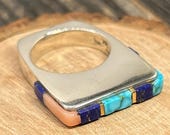 Rob Sherman Sterling Silver 14K Gold Inlay Ring Lapis Turquoise Coral Modernist Geometric Architectural Band$425.00
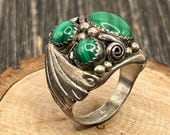 Vintage Sterling Silver Malachite Ring Size 11, Heavy 19.2g Southwestern Statement Band, Three Stone Green Gemstone, Navajo Style Fan Design$175.00
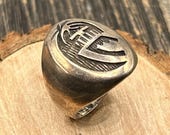 Men's Vintage Sterling Silver Brutalist Modernist Native American Ring, Size 10 1/4, 16.6 Grams$135.00
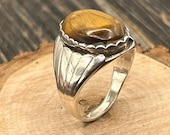 Sterling Silver Men's Tiger's Eye Ring, Statement Ring, Size 9.75$85.00
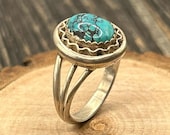 Native American Turquoise Sterling Silver Ring, Size 6.75, Signed JAQU$115.00
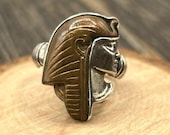 Pharaoh Tutankhamun Sterling Silver & Copper Ring, Egyptian Revival Jewelry, Size 10.25$125.00
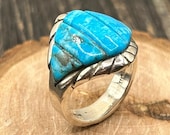 NOS Robert Sherman "Dusty Trails" Grooved Kingman Turquoise Inlay Ring, Sterling Silver, Size 8.5, Southwestern Jewelry$249.00
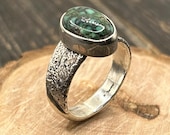 Native American Inspired Tufa Cast Turquoise Sterling Silver Ring, Size 11.5$185.00
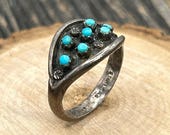 Vintage Southwestern Sterling Silver Sleeping Beauty Turquoise Petit Point Cluster Ring$115.00
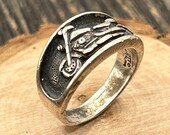 Sterling Silver Motorcycle Ring, Biker Jewelry, Otto Sterling$65.00
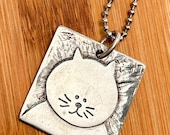 Sterling Silver Cat Pendant Necklace - 14.71 Grams, 24" Ball Chain, Signed "H"$90.00
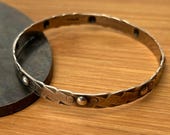 Vintage Hand Made Sterling Silver Geometric Bangle Bracelet - 8 Inch - Artisan Crafted Statement Piece$115.00
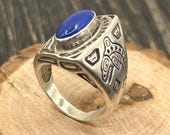 Vintage Sterling Silver Lapis Lazuli Northwest Coast Native American Ring, Size 8 3/4$115.00
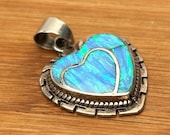 Heart Shaped Inlaid Blue Opal Sterling Silver Pendant, 8.6 Grams$155.00
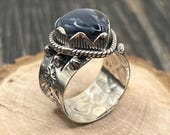 Native-Inspired Sterling Silver and Blue Gemstone Ring, Size 11 1/4, 3-Prong Shank with Spikes, Southwestern Style, Statement Ring$165.00
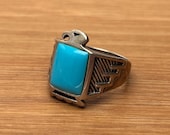 Vintage Navajo Native American Inspired Eagle Sleeping Beauty Turquoise Ring, Sterling Silver, Size 8 1/2, C. Sydney Smith Co.$125.00
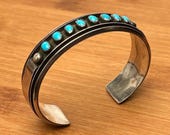 Vintage Southwest Sterling Silver Sleeping Beauty Turquoise Cuff Bracelet Signed M.$295.00
Previously sold with this mark
Kept on the record — a maker's back catalogue is most of the evidence that a mark is what we say it is.
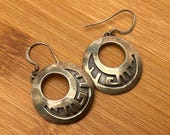 Vintage Sterling Silver Southwestern Earrings, Native American Style Jewelry, Hoop EarringsSold
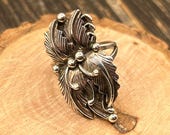 Vintage Sterling Silver Leaf Ring, Navajo Design, Size 6.5, Nature Motif JewelrySold
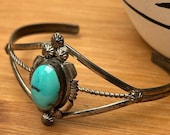 Vintage Marie B. Navajo Sterling Silver Turquoise Cuff Bracelet, Southwestern JewelrySold
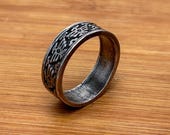 Vintage Sterling Silver Thunderbird Ring, Size 7 3/4, Native American Navajo-InspiredSold
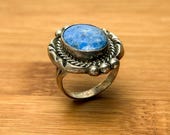 Navajo Blue Denim Lapis Ring, Sterling Silver, 7.25 Size, HG MarkedSold
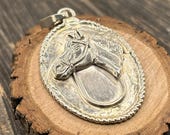 Vintage Sterling Silver Horse Head Pendant Large Equestrian Medallion Western Cowboy Rope BorderSold
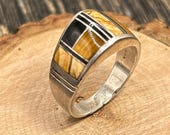 Vintage Sterling Silver Inlay Band Ring - Southwest Style Tiger's Eye Black Onyx Picture Jasper Signed MVSold
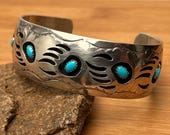 Navajo Sterling Silver Bear Paw Cuff Bracelet Pfarlene Spencer Turquoise ShadowboxSold
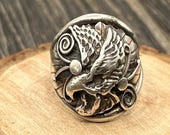 Vintage Sterling Silver Eagle Ring Heavy Style Men's Statement Band Marked LHSold
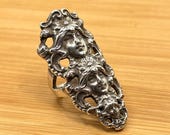 Art Nouveau Ring 3 Faces Three Graces Goddess Flower Long Sterling Silver StatementSold
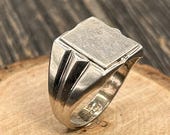 Vintage Sterling Silver Signet Ring, Men's Ring, Size 11 3/4Sold
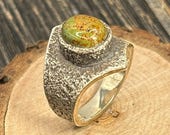 Vintage Southwest Sterling Silver Turquoise Ring Men's Size 11.5 Navajo Style Textured BandSold
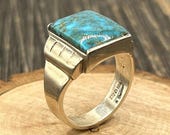 Vintage Southwest Sterling Turquoise Ring, R. Sherman Signet Style Men's Size 9 3/4Sold
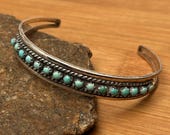 Vintage Turquoise Row Cuff Bracelet | Sterling Silver Navajo Style Split Shank | 7-Inch Southwestern JewelrySold
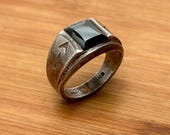 Vintage Uncas Mfg. Co Sterling Silver Hematite Arrow Ring - Mid-Century Native-Inspired DesignSold
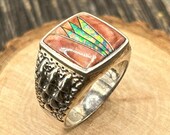 Mens Opal Inlay Ring, Southwestern Sterling Silver, Vintage Spiny Oyster Ring, Size 11, Native AmericanSold
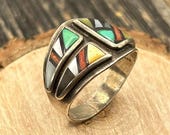 Vintage Sterling Silver Multi-Stone Inlay Statement Ring Native American Zuni Style Size 9 3/4Sold
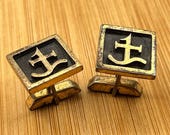 Classic Fenwick & Sailors Sterling Stephen F Austin Cattle Brand CufflinksSold
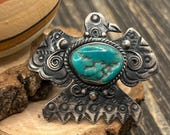 Navajo Thunderbird Sterling Turquoise Ring - Size 7.75 - Vintage Tribal JewelrySold
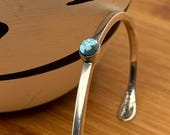 Artie Yellowhorse Sterling Silver Cuff Bracelet with Teal Gemstone | Native American Contemporary Southwest JewelrySold
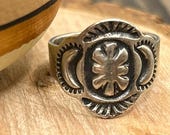 Navajo Jan Mariano Sterling Silver Sun & Moon Ring, Size 6.25, Vintage StyleSold
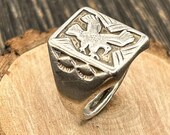 Vintage Southwestern Sterling Eagle Ring, Size 12, Heavy Silver RingSold
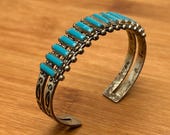 Vintage Navajo Sterling Turquoise Bracelet, Petite Point CuffSold
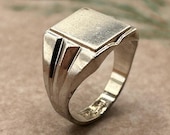 Vintage Sterling Silver Signet Ring, Men's Ring, Size 12Sold
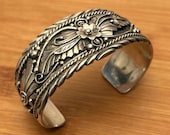 Native American Sterling Floral Cuff Bracelet, Handcrafted Southwestern Silver JewelrySold
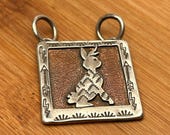 Copper & Sterling Silver Rabbit Storyteller Pendant, Southwest Animal JewelrySold
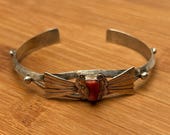 Navajo Coral Sterling Bracelet, R and W Stamped, Fanned Wings, Native American Jewelry, UnisexSold
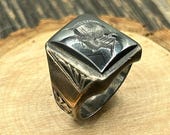 Mens Hematite Intaglio Ring, Gold Sides Sterling, Roman Soldier, Size 7.5Sold
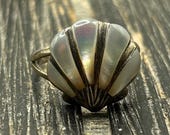 Exquisite Vintage Mother of Pearl Sterling Silver Statement Ring, Size 7.5, Unique Maker's MarkSold
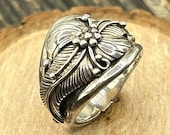 Sterling Silver Floral Feather Ring, Native American Navajo Jewelry, Handmade Artisan DesignSold
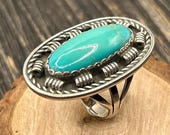 Navajo Sterling Silver Turquoise Ring, Size 10 1/4, Vintage Native American JewelrySold
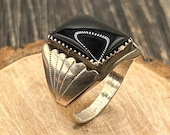 Stunning Vintage Sterling Silver Onyx Statement Ring, Size 10, Marked JCYSold
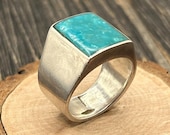 Turquoise Statement Ring, Navajo Sterling Silver, Chimney Butte Artist SignedSold
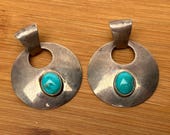 Vintage B. Dempsey Sterling Silver Turquoise Post Earrings, Southwestern StyleSold
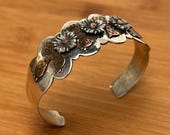 Vintage Jeep Collins Sterling Copper Cactus Flower Bracelet - Rare Southwest DesignSold
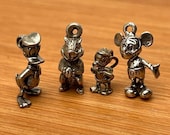 Sterling Silver Vintage Disney Character Charms, Set of 4Sold
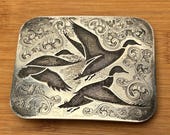 Vintage Hand-Engraved Sterling Silver Duck Hunting Belt Buckle - Signed & Dated 1975Sold
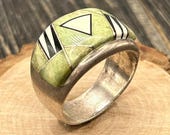 Southwestern Inlay Ring by Marty Yazzie, Sterling Silver Geometric Design, Size 13Sold
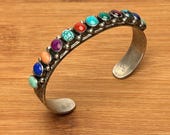 Vintage Native American Sterling Silver & Multi-Gemstone Row Cuff Bracelet | Zuni-Style Rainbow Cuff | Stamped Infinity HallmarkSold
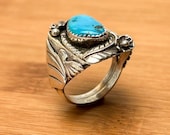 Unique Vintage Navajo Native American Turquoise Sterling Silver Ring – Eagle Feather DesignSold
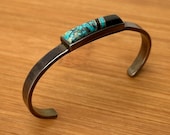 Authentic Navajo Sterling Silver Turquoise and Onyx Inlay Cuff Bracelet by Herbert & Veronic Thompson - Vintage Southwestern ArtSold
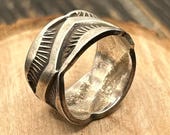 Vintage Sterling Silver Wide Band Ring, Heavy Stamped Southwestern Style, Size 7 1/4 - Authentic Handcrafted AppealSold
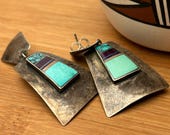 Ray Tracey Knifewing Segura Sterling Inlay Earrings - Vintage Native American Geometric Dangles Feather MarkSold
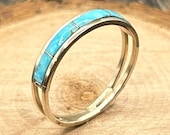 Vintage C.J. Kyle Signed Sterling Silver Turquoise Inlay Ring | Southwestern Native American Zuni Style | Size 9 1/4Sold
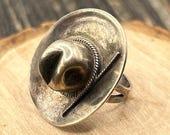 Vintage Sterling Silver Cowboy Hat Ring - Size 4.75 Western Jewelry - Hammered Band Statement PieceSold
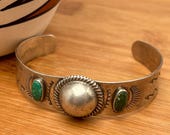 Vintage Navajo Sterling Silver Cuff Bracelet with Green Turquoise & Hand-Stamped Motifs, Adjustable Southwestern JewelrySold
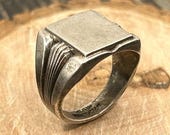 Vintage Sterling Silver Signet Ring, Classic Rectangle Design, Size 8, 9.9 Grams, Maker's MarkSold
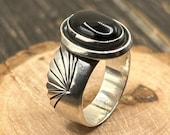 Stunning Vintage Mike Platero Sterling Silver & Black Onyx Statement Ring, Size 10 Wide Band, 8.6g, Asymmetrical Design, SignedSold
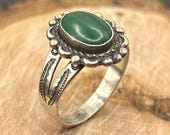 Vintage Bell Trading Post Sterling Silver Malachite Ring, Size 6.5, Southwestern JewelrySold
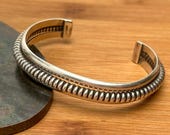 Handcrafted Sterling Silver Cuff Bracelet, 34.6g Ribbed Design | Artisan JewelrySold
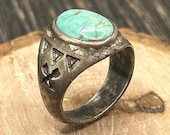 Vintage Native American Navajo Turquoise Sterling Silver Ring, Size 8 1/2, Bell Trading PostSold
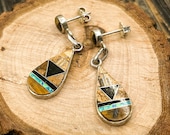 Sterling Silver Southwestern Inlay Earrings with Tiger's Eye, Onyx, OpalSold
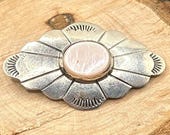 Vintage Sterling Silver Mother of Pearl Pin, Southwestern Jewelry, Native American, Artisan SignedSold
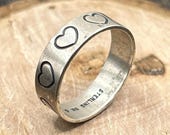 Vintage Wheeler Manufacturing Sterling Silver Heart Ring, Size 9 3/4Sold
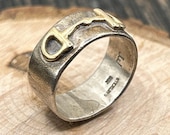 Vintage 14k Gold & Sterling Silver Statement Ring, Size 7 1/2, Signed JW, Brutalist Style, Unique Jewelry, Unisex Ring, Modernist RingSold
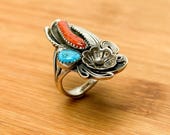 Exquisite Navajo Native American Sterling Silver Coral & Turquoise Ring, Floral and Feather MotifSold
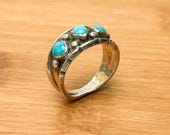 Vintage Navajo Sterling Silver Ring with Sleeping Beauty Turquoise by Marvin LucasSold
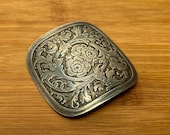 Sterling Silver Floral Belt Buckle with Artisan HallmarkSold
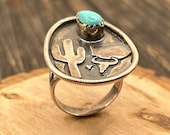 Vintage Southwestern Sterling Silver Turquoise Ring, Cactus and Bull Skull Design, Size 9 1/4, Navajo-Inspired Statement JewelrySold
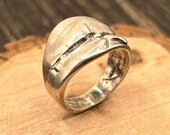 Vintage EVENSONG Sterling Silver Brutalist Statement Ring - Size 8 1/4, 7.5g Unique Abstract DesignSold
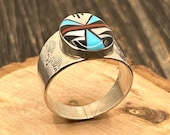 Vintage Zuni Sterling Silver Inlay Ring, Size 13 1/2, 10.4 Grams, Native American Handmade JewelrySold
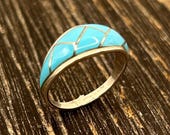 Sterling Silver Turquoise Inlay Ring, Navajo-Style, Size 7 3/4, Signed J Sterling JSold
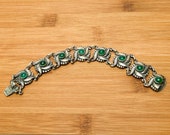 Carl Ruopoli Sterling Silver & Green Chalcedony Floral Link BraceletSold
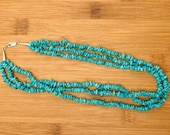 Vintage Navajo Sterling Turquoise Bead Tri-Strand Necklace with Rising Sun HallmarkSold
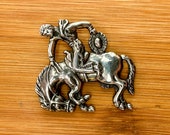 Sterling Silver Hartmans Durango Bucking Cowboy BroochSold
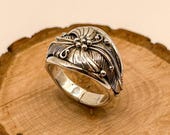 Sterling Silver Floral Feather Ring, Native American Navajo Jewelry, Handmade Artisan DesignSold
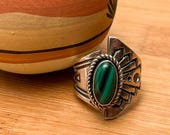 Vintage Navajo Malachite Sterling Silver Adjustable Ring by Francis Fred, Modernist Native American JewelrySold
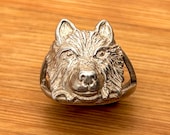 Vintage TED OTT 925 Sterling Silver Navajo Wolf Head Ring - Size 6, 5.83 Grams, SignedSold
Struck alongside
STERLING says what a piece is made of, not who made it. These are the marks it is struck beside here.
What this entry is based on
- 86 pieces carrying this mark, handled and photographed by this shop Written with the piece in hand. No published hallmark reference covers most of these marks.
Nothing outside this shop has been checked for this mark yet. What is above comes from the pieces themselves and from what was written while they were in hand.
Know something we don't about this mark? Tell us — corrections from collectors are how a reference like this gets better.